
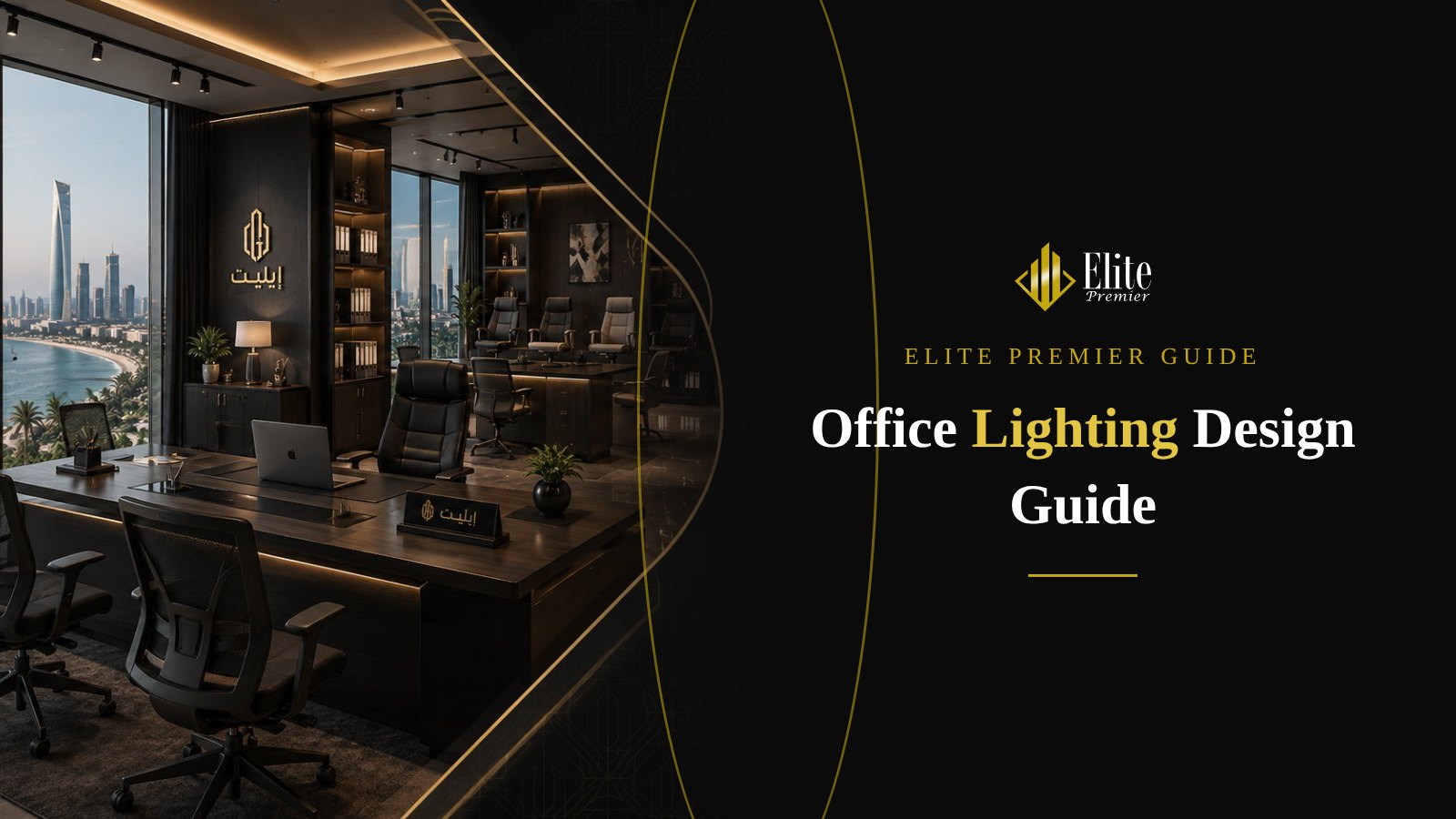
You can have the best office furniture and a beautiful design, yet poor lighting is enough to spoil the whole experience: headaches, eye strain, glare on screens and an afternoon slump. Office lighting is not just fittings in the ceiling; it is a system that affects health, focus and mood, as well as how furniture and colors look. This guide explains the principles of office lighting design in practical terms and how to plan light for every area of your office.
- The difference between ambient, task and accent lighting, and why you need all three.
- Suitable light levels for different types of work.
- How to choose color temperature for each area.
- How to use daylight and control glare on screens.
- How to coordinate lighting with furniture and desk layout.
Why office lighting matters
Sight is the sense we rely on most at work. We read, write and look at screens for hours, and any lighting problem forces the eyes to work harder all day. Weak light leads to strain and leaning towards the screen; harsh or direct light causes glare and discomfort. Either way, focus and productivity drop.
Lighting also shapes the overall image of the office. Well-planned light highlights furniture materials and colors and makes a space feel warmer and more premium, while random lighting can make even the best furniture look dull. That is why lighting is part of our office design process, not a separate electrical item.
The three layers of office lighting
Good lighting design is built on layers, combining several types of light, each with a role:
💡
Ambient lighting
Lights the space evenly for movement and general visibility, usually recessed or suspended ceiling fittings in a regular grid.
🔦
Task lighting
Focused light on the work surface for reading and writing, such as adjustable desk lamps or lights integrated into overhead units.
✨
Accent lighting
Highlights features such as a brand wall, logo, artwork or a distinctive wood finish, adding depth and character.
Relying on ambient light alone is the most common mistake. It is either too weak on the desk or too strong everywhere, causing fatigue. Combining the three layers gives each person suitable light for their task and gives the space personality.
Recommended light levels for office work
Illuminance on the work surface is measured in lux. International standards for indoor workplaces, such as the European EN 12464-1, recommend around 500 lux for typical office tasks like writing, reading and computer work, with lower levels for corridors and circulation. The table below gives a general planning picture:
| Area | Approximate light level | Notes |
|---|---|---|
| Workstations and desks | Around 500 lux on the work surface | With optional task lighting where needed |
| Meeting rooms | Around 500 lux, dimmable | Dim near the screen during presentations |
| Reception | Around 300 lux plus accent lighting | Highlight the counter and logo |
| Corridors and circulation | Around 100 to 200 lux | Comfortable, safe movement |
| Break areas | Softer, warmer light | A change of rhythm from work zones |
| Archives and storage | Around 200 lux | Enough to read labels |
These are general guide figures; exact values come from a lighting study by the electrical engineer or lighting designer based on area, ceiling height and finishes. The key point is that a desk needs far more light than a corridor, and the answer is not to raise light levels everywhere.
Color temperature: warm or cool?
The color temperature of light is measured in kelvin (K). Lower values give warm, yellowish light; higher values give cool, bluish light:
- Warm light (about 2700–3000K): relaxing and premium, suitable for reception, break areas and executive offices.
- Neutral light (about 3500–4000K): the most balanced choice for work areas, clear without being harsh.
- Cool light (about 5000K and above): crisp and sharp, suitable for labs and precision workshops but can feel harsh in offices over long periods.
For most offices we recommend neutral light in work areas and warm light in reception, break areas and executive offices, keeping one temperature within each space to avoid jarring contrasts. Color temperature also affects how colors and materials look; natural wood looks best under warm or neutral light. See our office color guide.
Daylight: the best light if used well
Daylight is free, lifts mood and reduces reliance on artificial light during the day. But in Saudi Arabia sunlight is strong for most of the year and can cause glare and heat if not managed. Key principles:
- Place workstations so daylight comes from the side, not from behind the screen or directly behind the user.
- Use controllable roller blinds or louvres to soften light at peak hours.
- Consider glare- and heat-reducing film on large glazed facades.
- Put shared and meeting areas near windows and spaces that need dimming deeper inside.
- Use glass partitions instead of solid walls so light reaches the depth of the office.
💡 Elite tip: When planning layouts we identify window orientation first, then angle workstations to avoid reflections on screens. This simple step prevents many complaints later.
Controlling glare on screens
Glare is one of the most annoying lighting problems in modern offices because most work happens on screens. It occurs when strong light reflects on a screen or when a bright source sits in the user’s field of view. To reduce it:
- Choose fittings with diffusers or louvres that hide the light source.
- Avoid very glossy furniture and wall finishes near workstations; prefer matt finishes.
- Position screens perpendicular to windows where possible.
- Give each person control over their task lighting.
- Balance screen brightness with ambient light; strong contrast tires the eyes.
Furniture plays a role here: matt HPL or treated wood surfaces reflect far less than glossy finishes. Compare materials in our office furniture materials guide.
Lighting each area of the office
Open-plan workstations
Need even ambient light without dark or bright patches, plus desk lamps for those who need more. Fittings should follow the rows of workstations rather than a random grid. Lighting can also be integrated into screens or overhead units.
Executive offices
Combine calm ambient light, good task light on the desk and accent light on shelving, the back wall or wood finishes. The mix gives the office a refined character suitable for leadership.
Meeting rooms
Need good light on the table and on faces, especially for video calls where lighting affects how participants appear on camera. Separate, dimmable circuits allow lower light near the screen during presentations. A linear pendant above the table can follow its length.
Reception
Accent lighting matters most here: hidden light behind the logo, linear light in the reception counter and warm light that welcomes visitors.
Break and hospitality areas
Softer, warmer light with decorative pendants or wall lights changes the visual rhythm and gives staff a chance to relax.
Lighting, wellbeing and the daily rhythm
The human body follows a daily rhythm influenced by light: good light during the day supports alertness, while dim warm light in the evening is associated with relaxation. That is why many people feel more energetic in offices with good daylight and more sluggish in enclosed offices with weak lighting. Some modern offices use human-centric lighting, systems that gradually change intensity and color temperature during the day to mimic daylight.
Not every office needs such systems, but the core idea helps everyone: maximise daylight, keep artificial light even and comfortable and give people some control over the light around their desks. A sense of control over one’s environment raises satisfaction and reduces complaints.
Office lighting in Saudi Arabia: heat and energy
In the Kingdom’s hot climate, lighting adds to the heat load inside the office, especially older lamps that produce a lot of heat. Switching to modern LED fittings is a practical decision: lower electricity use, less heat and a longer life, easing the load on air-conditioning and reducing maintenance. Large glazed facades, common in Jeddah and Riyadh towers, need a careful balance between using daylight and controlling heat and glare through suitable blinds and solar-control glass or film. During an office refurbishment, replacing old lighting together with re-planning furniture is one of the fastest ways to noticeably improve the workplace without major construction.
Smart lighting and controls
Lighting controls have become more common and affordable. They include motion sensors in corridors, washrooms and stores, daylight sensors that dim artificial light when daylight is sufficient and dimming systems in meeting rooms. These systems cut energy use, extend lamp life and make the office more sustainable. Read more in our sustainable office furniture guide.
Coordinating lighting with furniture and layout
Lighting and furniture must be designed together. If lights are installed before desk positions are fixed, you may find fittings over aisles instead of workstations, or a bright source directly above someone’s screen. In our projects we start with the furniture layout and then coordinate with the electrical engineer on lighting, sockets and data points so they all match each workstation and table. This coordination is part of our office furniture execution service.
Where to invest your lighting budget
With a limited budget, prioritise by impact on daily work: first, good, even ambient light in work areas; second, daylight control with suitable blinds; third, dimmable lighting in the main meeting room; fourth, accent lighting in reception for first impressions; and finally smart controls, which can be added later.
Common office lighting mistakes
- Relying on one strong ceiling light for the whole office.
- Mixing different color temperatures in the same space.
- Placing screens facing windows or with windows directly behind them.
- Ignoring accent lighting so the office looks flat and dull.
- Choosing very glossy furniture that reflects light into the eyes.
- No control or dimming in meeting rooms.
- Installing lighting before the furniture layout is fixed.
Office lighting planning checklist
List areas and functions
Work, meetings, reception, breaks, corridors.
Draw the furniture layout first
Know where everyone sits and where every screen is.
Study daylight
Window orientation, sun hours and glare control.
Define three layers
Ambient, task and accent for each area.
Choose color temperature
Neutral for work, warm for hospitality and leadership.
Add controls
Sensors and dimming where needed.
Conclusion: good lighting means a more comfortable team
Good lighting usually goes unnoticed, while poor lighting is felt immediately as strain, headaches and lost focus. Combine three layers, use daylight with glare control, pick the right color temperature for each area and coordinate lighting with furniture from the start.
Planning a new office or refreshing your current one?
We coordinate furniture layout with lighting and power from the start and manufacture furniture in eye-friendly matt finishes.
Frequently asked questions
What lighting is best for an office?
A combination of even ambient light, task light on the desk and accent light, with neutral color temperature in work areas and a light level suited to reading and computer work.
How many lux does an office need?
International standards recommend around 500 lux on the work surface for typical office tasks, with lower levels for corridors; exact values come from a lighting study.
Is white or yellow light better for an office?
Neutral light (about 3500–4000K) suits work areas best, while warm light suits reception, break areas and executive offices.
How do I reduce glare on my computer screen?
Position the screen perpendicular to the window, use blinds and diffused fittings and prefer matt furniture surfaces.
Does lighting affect furniture choice?
Yes. Lighting changes how colors and materials look, and glossy surfaces can cause reflections, so we coordinate lighting and furniture from the design stage.
Do you handle lighting in office fit-outs?
We focus on furniture and layout and coordinate with the electrical engineer or fit-out contractor so lighting and sockets match the furniture plan.
Related services and guides: office ergonomics guide and reception desks.