
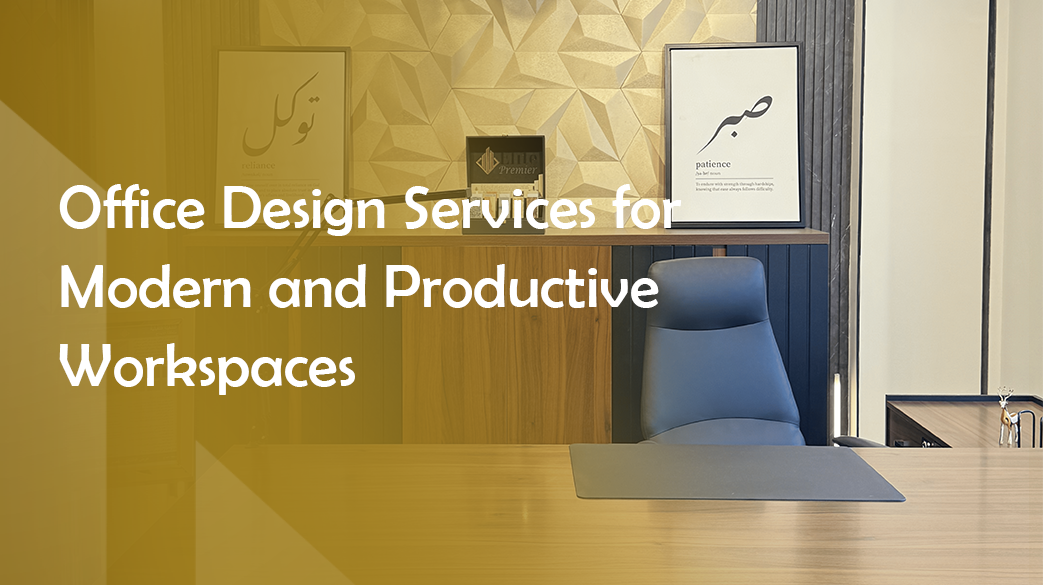
In today’s fast-moving business environment, office design is no longer just about arranging desks and selecting attractive furniture. It has become a strategic investment that directly influences productivity, employee well-being, brand identity, and business growth.
Modern companies across Saudi Arabia are increasingly recognizing that the design of a workspace affects how employees perform, collaborate, innovate, and interact with clients.
Table of Contents
ToggleWhat Is Modern Office Design?
Modern office design refers to the strategic planning and arrangement of workspace environments to improve efficiency, flexibility, employee well-being, and visual appeal. Unlike traditional office layouts that focused primarily on hierarchy and compartmentalization, modern office design prioritizes collaboration, adaptability, and user experience.
Today’s offices are designed to support multiple working styles. Employees may need quiet areas for concentration, collaborative zones for teamwork, comfortable lounges for informal meetings, and technologically integrated spaces for virtual communication. Modern design ensures that every area within the workplace serves a practical purpose while maintaining a cohesive and attractive appearance.
Key Characteristics of Modern Office Design
Functional Layouts
Modern offices are carefully organized to maximize workflow efficiency. Departments that collaborate frequently are positioned strategically to encourage communication and reduce unnecessary movement.
Ergonomic Furniture
Employee comfort has become a major priority. Ergonomic chairs, adjustable desks, and supportive furniture reduce physical strain and improve daily performance.
Flexible Spaces
Businesses today need adaptable workspaces that can evolve as teams grow or business needs change. Flexible office design allows easy reconfiguration without major renovation costs.
Technology Integration
Modern offices incorporate smart technology, including wireless connectivity, integrated meeting systems, charging stations, and digital collaboration tools.
Natural Elements
Biophilic design, which incorporates natural light, plants, and organic materials, has become increasingly popular due to its positive impact on employee wellness and mental health.
Brand Representation
Office interiors now reflect company identity and culture. Colors, materials, furniture styles, and layouts all contribute to reinforcing brand image.
Modern office design is about creating environments where people feel motivated, comfortable, and productive every day.
Principles of Effective Workspace Design
Successful office design goes far beyond aesthetics. A visually attractive office may still fail if it does not support employee needs and business operations. Effective workspace design is built upon several essential principles that ensure both practicality and long-term functionality.
Space Planning and Efficiency
One of the most important aspects of office design is maximizing available space without creating overcrowded environments. Proper space planning ensures smooth movement throughout the office while maintaining comfort and organization.
Efficient layouts improve workflow by positioning teams, equipment, and shared resources strategically. This reduces distractions and allows employees to perform tasks more effectively.
Employee Comfort and Ergonomics
Comfortable employees are more productive employees. Ergonomic office furniture helps prevent fatigue, back pain, and repetitive strain injuries caused by long working hours.
Important ergonomic considerations include:
- Adjustable office chairs
- Proper desk height
- Monitor positioning
- Adequate lighting
- Comfortable meeting areas
- Relaxation zones
Lighting Design
Lighting plays a crucial role in office productivity and mood. Poor lighting can cause eye strain, headaches, and reduced concentration.
Modern office design combines:
- Natural daylight
- Ambient lighting
- Task lighting
- Accent lighting
Acoustic Control
Noise is one of the biggest productivity challenges in many offices, especially open-plan environments. Effective acoustic solutions help minimize distractions and improve concentration.
Common solutions include:
- Acoustic wall panels
- Sound-absorbing furniture
- Carpeting
- Private meeting rooms
- Quiet focus zones
Flexibility and Scalability
Business needs evolve over time. Effective office design allows companies to adapt without expensive redesigns or relocation.
Flexible design features include:
- Modular furniture
- Movable partitions
- Multi-functional spaces
- Expandable workstations
Employee Wellness
Modern businesses increasingly prioritize employee wellness through workplace design. Healthy work environments contribute to reduced stress and improved morale.
Wellness-focused office design may include:
- Relaxation lounges
- Green spaces
- Wellness rooms
- Breakout areas
- Air quality improvements
Open Space vs Private Office Design
One of the biggest decisions in office planning is choosing between open-space layouts and private office configurations. Each design approach offers unique advantages and challenges depending on company culture, industry requirements, and work style preferences.
Open Space Office Design
Open-plan offices remove physical barriers between employees to encourage communication and collaboration.
Advantages of Open Offices
Improved Collaboration
Open environments encourage spontaneous communication and faster teamwork.
Better Space Utilization
Open layouts typically accommodate more employees within smaller areas.
Increased Flexibility
Furniture and workstations can be rearranged more easily as business needs change.
Modern Aesthetic Appeal
Open offices often create contemporary, energetic environments that appeal to younger workforces.
Challenges of Open Offices
Despite their popularity, open offices can create:
- Noise distractions
- Reduced privacy
- Difficulty concentrating
- Increased stress for some employees
Private Office Design
Private offices provide enclosed spaces for individuals or departments requiring confidentiality and concentration.
Advantages of Private Offices
Greater Privacy
Employees can focus without constant interruptions.
Reduced Noise
Enclosed spaces support concentration and confidential discussions.
Enhanced Professionalism
Executive offices and private meeting rooms often project authority and prestige.
Challenges of Private Offices
Private layouts may:
- Reduce collaboration
- Limit flexibility
- Require more space
- Increase construction costs
Hybrid Office Design: The Best of Both Worlds
Many modern businesses now adopt hybrid office models that combine open collaboration areas with private workspaces.
Hybrid layouts may include:
- Open collaborative zones
- Quiet rooms
- Phone booths
- Executive offices
- Flexible meeting areas
- Shared lounges
This balanced approach supports diverse work styles while maximizing productivity and employee satisfaction.
At Elite Company, we help organizations identify the most suitable office layout based on their operational goals, workforce needs, and available space.
How Office Design Affects Employee Productivity
Office design directly influences employee behavior, performance, motivation, and overall job satisfaction. A well-designed workspace can significantly improve productivity, while poor environments may reduce efficiency and increase employee turnover.
Improved Focus and Concentration
Employees perform better in environments that minimize distractions and support concentration. Proper workstation arrangement, noise control, and lighting contribute to higher levels of focus.
Dedicated quiet zones allow employees to complete complex tasks more efficiently.
Enhanced Collaboration
Strategic office layouts encourage communication between departments and team members. Collaborative spaces help employees share ideas, solve problems, and innovate more effectively.
Modern meeting areas equipped with technology support both in-person and remote collaboration.
Employee Motivation and Morale
A visually appealing and comfortable office positively impacts employee mood and motivation. People naturally feel more engaged when working in environments that are clean, organized, and professionally designed.
Features that improve morale include:
- Comfortable furniture
- Natural light
- Relaxation spaces
- Modern décor
- Organized layouts
Employees who feel valued by their work environment are more likely to remain loyal to the company.
Reduced Physical Fatigue
Poor office furniture and workstation setup often lead to discomfort and physical strain. Ergonomic solutions reduce fatigue, allowing employees to remain productive throughout the day.
Adjustable seating and standing desks also encourage healthier movement patterns.
Better Organizational Efficiency
Efficient office layouts streamline daily operations by improving accessibility and reducing wasted movement. Organized storage systems and functional workspace arrangements save time and improve workflow.
Support for Creativity and Innovation
Creative environments inspire employees to think differently and contribute new ideas. Modern office design often incorporates colors, textures, collaborative zones, and flexible areas that stimulate innovation.
Companies that invest in workplace design often experience measurable improvements in:
- Employee engagement
- Productivity
- Retention rates
- Team collaboration
- Client impressions
Latest Trends in Office Design (2026)
Office design trends continue evolving as businesses adapt to changing technologies, workforce expectations, and hybrid working models. In 2026, workplace design focuses heavily on flexibility, wellness, sustainability, and intelligent technology integration.
Hybrid Workspaces
Hybrid work environments remain one of the most significant trends. Offices are now designed to support both on-site and remote employees through flexible workstations and advanced communication technology.
Features include:
- Shared desks
- Video conferencing rooms
- Hot-desking systems
- Flexible seating arrangements
Smart Office Technology
Technology-driven workplaces improve efficiency and user experience.
Popular smart office features include:
- Automated lighting
- Smart climate control
- Occupancy sensors
- Wireless charging stations
- Intelligent booking systems
Sustainable Office Design
Sustainability has become a major priority for modern businesses. Eco-friendly office design reduces environmental impact while creating healthier workspaces.
Sustainable design elements include:
- Recycled materials
- Energy-efficient lighting
- Eco-friendly furniture
- Indoor plants
- Sustainable flooring
Biophilic Design
Biophilic design integrates natural elements into office interiors to improve employee wellness and reduce stress.
Common features include:
- Indoor greenery
- Natural wood finishes
- Water features
- Natural light optimization
Multi-Functional Spaces
Modern offices now emphasize versatility. Instead of fixed-purpose rooms, businesses prefer adaptable spaces that support multiple activities.
Examples include:
- Meeting rooms that convert into training areas
- Lounge spaces used for collaboration
- Flexible conference rooms
- Modular furniture systems
Wellness-Centered Design
Employee well-being continues to shape office environments.
Wellness-focused trends include:
- Meditation rooms
- Quiet spaces
- Fitness areas
- Adjustable workstations
- Improved air quality systems
Residential-Inspired Interiors
Modern offices are becoming more comfortable and welcoming by incorporating residential-style furniture and décor.
This includes:
- Soft seating
- Warm color palettes
- Textured materials
- Hospitality-inspired lounges
Designing Small vs Large Office Spaces
Office design strategies vary significantly depending on workspace size. Small offices require efficient space utilization, while larger offices demand careful zoning and organizational planning.
Small Office Design
Small offices present unique challenges, including limited space, storage constraints, and the need for multifunctional areas.
Key Strategies for Small Offices
Maximize Vertical Space
Using vertical storage solutions helps free floor space while maintaining organization.
Choose Multi-Functional Furniture
Compact desks, modular seating, and integrated storage units improve flexibility.
Use Light Colors and Glass
Bright colors and glass partitions create a more spacious visual effect.
Prioritize Open Layouts
Open layouts prevent small offices from feeling crowded or confined.
Minimize Clutter
Efficient storage systems are essential for maintaining a clean and productive environment.
Large Office Design
Large office environments require more detailed planning to maintain organization and functionality.
Key Strategies for Large Offices
Create Functional Zones
Large offices benefit from clearly defined areas for:
- Collaboration
- Meetings
- Focus work
- Break areas
- Executive offices
Maintain Consistent Design Identity
Consistency in furniture, colors, and materials creates a unified and professional atmosphere.
Optimize Employee Movement
Thoughtful layouts improve accessibility and reduce unnecessary walking distances.
Support Team Collaboration
Departments that work closely together should be positioned strategically to encourage communication.
Include Relaxation Areas
Breakout zones and lounges become increasingly important in larger offices to support employee well-being.
Large offices should feel organized, cohesive, and employee-friendly rather than overwhelming or impersonal.
At Elite Company, we customize every office design project according to space size, operational needs, and client goals.
Elite Approach to Office Design Projects
At Elite Company, we understand that every business has unique operational requirements, brand values, and workspace objectives. Our office design approach combines creativity, strategic planning, and premium furniture solutions to deliver workspaces that inspire productivity and professionalism.
Understanding Client Needs
Every successful office project begins with understanding the client’s goals, workflow, company culture, and space requirements.
We carefully evaluate:
- Business operations
- Employee needs
- Industry requirements
- Brand identity
- Future expansion plans
This allows us to develop customized office solutions that align perfectly with organizational objectives.
Space Planning and Design Strategy
Our design experts create intelligent layouts that optimize functionality, comfort, and aesthetics.
Key considerations include:
- Employee workflow
- Space efficiency
- Collaboration zones
- Storage requirements
- Technology integration
- Visitor experience
Premium Office Furniture Solutions
Furniture plays a critical role in workplace performance and visual appeal. We provide high-quality office furniture solutions that combine durability, comfort, and contemporary design.
Our solutions include:
- Executive desks
- Ergonomic seating
- Workstations
- Meeting tables
- Reception furniture
- Storage systems
- Lounge seating
Customized Design Concepts
No two businesses are identical. We tailor every office environment to reflect the client’s unique identity and vision.
Our customized solutions include:
- Corporate color integration
- Branding elements
- Modern interior themes
- Flexible workspace concepts
- Industry-specific requirements
End-to-End Project Management
We manage office design projects from concept development to final installation.
Our comprehensive process includes:
- Consultation and planning
- Space analysis
- Design development
- Furniture selection
- Installation and setup
- Final quality review
This streamlined approach ensures smooth project execution and exceptional results.
Commitment to Quality
At Elite Company, quality is at the center of everything we do. We prioritize durable materials, functional design, and customer satisfaction in every project.
Our goal is to help businesses create office environments that enhance productivity, strengthen brand image, and support long-term success.
Why Professional Office Design Is Essential
Some businesses underestimate the importance of professional office design and attempt to manage workplace planning without expert guidance. However, poorly designed offices often create costly inefficiencies and negatively impact employee experience.
Professional office design delivers long-term advantages that extend far beyond appearance.
Maximizing Return on Investment
A professionally designed office improves operational efficiency, employee performance, and space utilization. These improvements contribute directly to higher productivity and better financial performance.
Investing in professional design helps businesses avoid:
- Poor space planning
- Inefficient workflows
- Expensive redesigns
- Furniture mismatches
- Underutilized areas
Creating Strong First Impressions
Office interiors significantly influence how clients, partners, and visitors perceive a business. A modern and organized workspace communicates professionalism, credibility, and attention to detail.
Reception areas, meeting rooms, and executive offices play important roles in building trust and confidence.
Supporting Employee Retention
Employees increasingly value workplace quality when choosing employers. Comfortable and inspiring office environments contribute to:
- Higher job satisfaction
- Reduced turnover
- Better morale
- Stronger company culture
Companies that prioritize workplace experience often gain competitive advantages in attracting and retaining talent.
Enhancing Workplace Efficiency
Professional designers understand how to create environments that support productivity, collaboration, and operational flow.
Efficient office layouts:
- Reduce distractions
- Improve accessibility
- Enhance communication
- Support workflow optimization
Future-Proofing the Workspace
Business needs evolve rapidly. Professional office design considers future growth, technological changes, and evolving work models.
Flexible layouts and scalable solutions help businesses adapt without major disruptions or unnecessary costs.
Ensuring Design Consistency
Professional office design creates cohesive environments where furniture, colors, materials, lighting, and branding elements work together harmoniously.
This consistency strengthens visual identity while improving user experience throughout the workspace.
Modern office design has become a powerful business tool that directly impacts productivity, employee well-being, operational efficiency, and corporate image. In today’s competitive business landscape, companies can no longer afford to overlook the importance of creating functional and inspiring work environments.
FAQs
What is the importance of office design?
Office design improves productivity, employee comfort, workflow efficiency, and brand image. A well-designed workspace creates a more professional and motivating environment for employees and visitors alike.
How does office design affect productivity?
Office design affects lighting, comfort, noise levels, collaboration, and concentration. Proper layouts and ergonomic furniture help employees work more efficiently and comfortably.
What is the difference between open and private office design?
Open office design encourages collaboration and flexibility, while private office design provides greater privacy and focus. Many businesses now prefer hybrid layouts that combine both approaches.
What are the latest office design trends in 2026?
Popular trends include hybrid workspaces, smart office technology, sustainable materials, wellness-centered interiors, flexible layouts, and biophilic design elements.
Why should businesses hire professional office designers?
Professional office designers help businesses optimize space, improve productivity, maintain design consistency, and create work environments that support long-term operational success.
How can small offices be designed effectively?
Small offices benefit from space-saving furniture, open layouts, vertical storage solutions, glass partitions, and multifunctional workspaces that maximize efficiency without overcrowding.